
Nigeria Forex Regulation Enters a New Phase as 82 Exchange Bureaus Receive Licenses
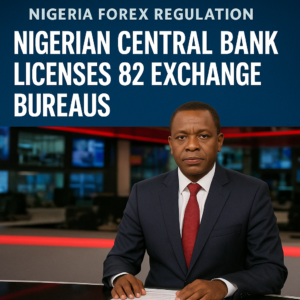
Nigeria forex regulation has taken a major step forward as the Central Bank of Nigeria officially licensed 82 new Bureau de Change operators under its updated regulatory framework. This move represents one of the most significant overhauls to Nigeria forex regulation in recent years and is designed to restore transparency, increase liquidity and reduce illegal forex activity across the country. The announcement marks an important turning point in Nigeria’s ongoing efforts to restructure its foreign exchange ecosystem, which has been under pressure due to currency shortages, parallel market distortions and rising demand for foreign currency.
The decision to approve new Bureau de Change operators comes after months of regulatory tightening aimed at addressing systemic inefficiencies. Nigeria forex regulation has been reshaped to ensure that operators carry out transactions transparently and follow strict compliance protocols. The 82 newly licensed bureaus will operate under rules that require enhanced reporting, mandatory customer verification, capital adequacy requirements and full audit transparency. These stricter rules aim to stabilise Nigeria’s forex market by reducing avenues for speculative trading and illegal FX operations.
Why Nigeria Forex Regulation Needed Urgent Reform
Nigeria’s foreign exchange market has faced several challenges over the past decade. A combination of oil revenue fluctuations, import dependency and rapid population growth has placed continuous strain on the naira. Weak forex supply and rising demand have created a large gap between the official and parallel market exchange rates. These market distortions increased the urgency for Nigeria forex regulation reform.
Without effective oversight, many unregistered operators contributed to market instability by offering speculative rates and facilitating illicit currency flows. Nigeria forex regulation had become outdated and lacked sufficient enforcement mechanisms. As a result, retail consumers faced pricing inconsistencies and struggled to access foreign currency through legitimate channels. Businesses were also affected, as the cost of sourcing dollars increased unpredictably. The decision to approve 82 licensed operators is part of a wider strategy to clean up the market and strengthen Nigeria forex regulation in a sustainable way.
How the New Licensing Process Strengthens Nigeria Forex Regulation
The new licensing regime marks a deliberate shift toward professionalising the forex sector. Nigeria forex regulation now requires operators to meet stringent criteria before being approved. These include demonstrating adequate financial capacity, providing verifiable documentation on company ownership, adhering to anti money laundering rules and adopting digital reporting systems to track transactions in real time.
Under the enhanced Nigeria forex regulation guidelines, the 82 newly licensed bureaus must implement Know Your Customer procedures, maintain transaction logs and ensure transparency in cash flow reporting. These requirements enable the Central Bank of Nigeria to monitor forex activity more effectively and identify suspicious patterns before they escalate into systemic risks.
The licensing process was designed to eliminate shell companies and prevent individuals without financial expertise from operating forex businesses. This ensures that licensed operators contribute positively to the stability and integrity of the forex market.
Impact of Nigeria Forex Regulation on Market Participants
The reform has significant implications for consumers, businesses and banks. Retail consumers benefit from having more legitimate access points for forex purchases. Previously, many Nigerians relied on the parallel market due to limited official options. With stronger Nigeria forex regulation and an expanded pool of licensed operators, consumers now have more structured and transparent ways to buy and sell foreign currency.
Businesses also benefit from a more stable market. Reduced volatility in exchange rates lowers operational uncertainty and improves long term planning. Nigeria forex regulation reforms are expected to increase foreign investor confidence as well, since transparent and predictable forex systems are a key requirement for investment decisions.
Banks gain from clearer operational oversight. Tighter Nigeria forex regulation allows financial institutions to collaborate with licensed bureaus more effectively while avoiding compliance risks associated with unregulated transactions.
How Nigeria Forex Regulation Targets Illegal FX Activity
Illegal forex trading has been a persistent challenge in the country. Unregistered operators often conduct FX transactions at speculative rates, manipulate supply and contribute to artificial currency scarcity. The new Nigeria forex regulation framework aims to dismantle these networks by increasing the number of legitimate operators and strengthening enforcement measures.
Law enforcement agencies are now working closely with the Central Bank of Nigeria to identify illegal operators. The licensing of 82 new bureaus reduces market reliance on underground channels by increasing the availability of regulated operators in key regions.
The Central Bank has also emphasised that Nigeria forex regulation will be enforced strictly. Operators caught violating rules risk immediate license revocation, heavy fines and legal prosecution. This approach is intended to create a more disciplined and compliant forex ecosystem.
Technology and Transparency in the Future of Nigeria Forex Regulation
A major advancement in Nigeria forex regulation is the integration of digital tools for monitoring market activity. Licensed bureaus must now use digital reporting systems that automatically transmit transaction details to a centralised regulatory dashboard. This real time oversight strengthens transparency, reduces the risk of manipulation and enables faster response to abnormalities.
Digital compliance software is also being deployed to support anti money laundering efforts. These systems cross reference customer identities, track unusual transaction patterns and alert regulators when risk thresholds are exceeded. Nigeria forex regulation is therefore evolving into a more data driven and technologically aligned system.
Economic Implications of Strengthened Nigeria Forex Regulation
A more transparent and regulated forex environment contributes positively to Nigeria’s economic stability. Stronger Nigeria forex regulation helps reduce inflationary pressure by curbing parallel market distortions. It also supports Nigeria’s monetary policy goals by aligning forex availability with broader economic strategies.
With more licensed operators in circulation, competition may increase, leading to more favourable pricing for consumers. This also encourages more efficient distribution of forex and reduces the need for citizens to resort to informal markets.
Furthermore, improved Nigeria forex regulation enhances Nigeria’s reputation among international investors. Foreign businesses often face difficulties navigating opaque or unpredictable forex systems. A regulated, well functioning market may increase foreign investment inflows and support long term economic growth.
Challenges Facing Nigeria Forex Regulation
Despite progress, the implementation of Nigeria forex regulation reforms faces several challenges. Market operators must adapt to strict compliance obligations, which can be costly or administratively complex. Some operators may lack the resources to maintain digital reporting systems or meet capital requirements.
Another challenge concerns public awareness. Many Nigerians are accustomed to using the parallel market due to convenience or cost advantages. Nigeria forex regulation reforms will require public education campaigns to help consumers understand the benefits of using licensed operators.
Exchange rate volatility also remains a concern. Even with improved regulation, broader economic factors such as oil revenue, monetary policy and global financial conditions influence the naira’s stability. Nigeria forex regulation provides structure, but external forces still shape outcomes.
Reactions to the Reform Across Nigeria
Public and industry reactions have been mixed. Many business leaders welcome stronger Nigeria forex regulation, viewing it as essential for restoring stability and confidence. Consumer advocates also support the reforms, arguing that they protect vulnerable individuals from exploitation.
However, some critics believe the licensing of 82 operators is not enough to address deeper structural issues. They argue that Nigeria forex regulation must be paired with reforms in import dependency, export diversification and domestic production to reduce demand for foreign currency.
Nevertheless, most stakeholders agree that the reform is a step in the right direction, and that Nigeria forex regulation will continue to evolve as conditions change.
The licensing of 82 new Bureau de Change operators marks a major milestone in the evolution of Nigeria forex regulation. By increasing transparency, reducing illegal FX activity and strengthening oversight, Nigeria is taking meaningful steps to stabilise its foreign exchange environment. The reforms aim to protect consumers, support businesses and attract international investment. While challenges remain, the momentum behind Nigeria forex regulation signals a strong commitment to financial stability and long term economic resilience.


