
Asia FX Outlook Remains Steady as Global Traders Assess Federal Reserve Expectations
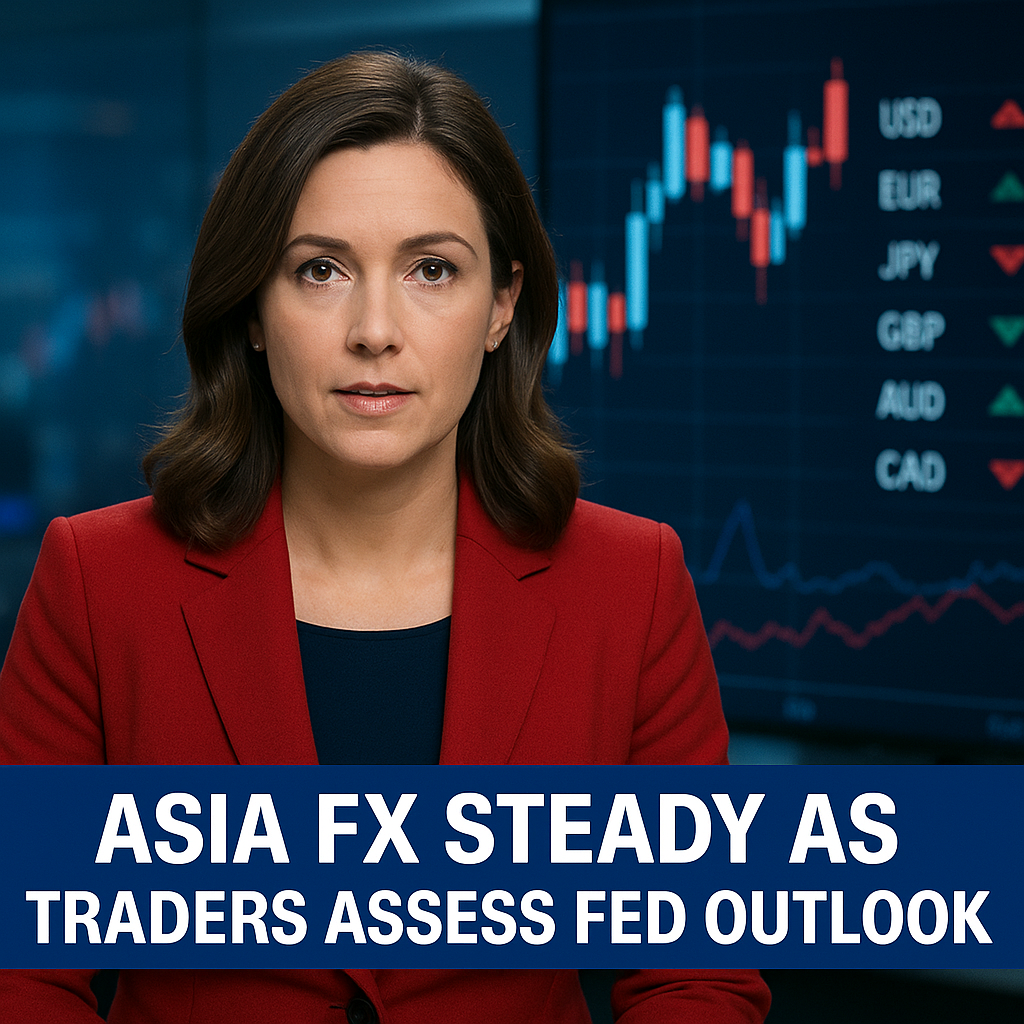
The Asia FX outlook remained remarkably steady in the last 24 hours as traders across global financial hubs carefully assessed shifting expectations around the Federal Reserve’s next policy move. With currencies such as the Japanese yen, Chinese yuan, Korean won, Singapore dollar and Thai baht trading within narrow ranges, analysts say the Asia FX outlook is characterised by cautious optimism as markets await clarity on interest rates, inflation guidance and broader economic signals. The stable Asia FX outlook comes despite mixed macroeconomic conditions and ongoing concerns about both global growth and geopolitical tensions.
Traders across regional markets describe the current Asia FX outlook as a moment of calm before potentially significant policy announcements. The upcoming Federal Reserve guidance is expected to shape currency behaviour across both advanced and emerging Asian markets. Even modest changes in tone could impact capital flows, risk appetite and regional exchange rate dynamics. For now, the Asia FX outlook reflects a balanced environment where traders are unwilling to take large directional positions until more definitive signals appear.
Why the Asia FX Outlook Has Stabilised
Several key factors have contributed to the stabilisation of the Asia FX outlook. First, the cooling of US inflation has reduced concerns about aggressive rate hikes. As inflation moderates, traders expect the Federal Reserve to maintain or potentially soften its policy stance, reducing upward pressure on the dollar. This helps stabilise the Asia FX outlook, as many Asian currencies respond directly to shifts in dollar strength.
Second, improved sentiment in global equity markets has supported Asian currencies. Investors have become more confident in economic resilience across the United States and parts of Europe, and this optimism is filtering through to Asia. A more stable risk environment typically reduces capital flight and supports a steady Asia FX outlook.
Third, several Asian central banks have adopted measured policy approaches, reinforcing a predictable macroeconomic environment. Even though inflation varies across the region, central banks in Malaysia, Singapore, Thailand and the Philippines have avoided sudden policy shifts. This consistency has strengthened market confidence and stabilised the Asia FX outlook.
How the Federal Reserve Influences the Asia FX Outlook
The Asia FX outlook depends heavily on US policy decisions. When the Federal Reserve tightens monetary policy, yields on US assets increase. Global investors often respond by reallocating funds into dollars, causing Asian currencies to weaken. Conversely, expectations of lower rates tend to strengthen the Asia FX outlook by reducing demand for dollar denominated assets.
At present, traders are evaluating mixed signals. While inflation has moderated, the job market remains strong. These contradictory indicators complicate forecasts and make the Asia FX outlook sensitive to every piece of new Federal Reserve communication. Analysts say that even minor wording adjustments in Fed statements can shift trading sentiment across Asian markets.
Market participants expect that if the Federal Reserve hints at a slower tightening pace or future rate cuts, Asian currencies could strengthen further. If the Fed adopts a more cautious stance, the Asia FX outlook may continue to reflect stability with room for moderate appreciation.
Performance of Key Currencies Driving the Asia FX Outlook
Japanese Yen
The Japanese yen remains under pressure but has shown temporary stability as traders anticipate Fed guidance. The yen’s weakness is driven by Japan’s ultra low interest rates and divergence from US monetary policy. Because the yen is often used in carry trades, the Asia FX outlook is partly influenced by how aggressively investors borrow yen to invest in higher yielding currencies.
Chinese Yuan
The yuan continues to trade within a controlled range as China balances growth challenges with currency stability. Capital outflows have been limited in recent weeks, helping support the Asia FX outlook. Authorities remain focused on guiding the yuan in a controlled manner to avoid disrupting trade and investment flows.
Korean Won
The Korean won is one of the most reactive currencies to shifts in global risk sentiment. With semiconductor demand improving and foreign investor inflows increasing, the Asia FX outlook for the won has strengthened. However, volatility remains possible if geopolitical tensions or Fed expectations change.
Singapore Dollar
The Singapore dollar remains one of the most stable currencies in the region. Its performance is closely linked to monetary conditions and regional trade flows. Strong central bank communication and robust financial infrastructure support a steady Asia FX outlook in Singapore.
Thai Baht and Malaysian Ringgit
Both currencies have stabilised after periods of pressure linked to tourism sector fluctuations and commodity price movements. Improving trade data and easing inflation contribute to a better Asia FX outlook for these markets.
Impact of Commodity Prices on the Asia FX Outlook
Commodity trends play a vital role in shaping the Asia FX outlook. Oil importing nations such as Japan, South Korea and India benefit from lower energy prices, which help reduce inflation and support currency stability. When oil prices fall, these economies experience less pressure on their trade balances, improving the Asia FX outlook.
Conversely, commodity exporting countries such as Indonesia and Malaysia may experience weaker currency performance when global commodity demand softens. The Asia FX outlook therefore reflects both global price trends and regional supply chain dynamics.
Gold prices also influence the Asia FX outlook. During periods of geopolitical uncertainty, demand for gold increases, strengthening currencies tied to mining activity. When risk appetite is strong, gold prices typically decline, shifting the Asia FX outlook toward broader risk assets.
Investor Behaviour and the Asia FX Outlook
Investor positioning plays a major role in shaping the Asia FX outlook. Many large funds are adopting wait and see strategies, keeping exposure limited until central bank signals become clearer. This cautious approach supports stability in the Asia FX outlook, as fewer speculative flows enter the market.
Carry traders, who borrow in low yielding currencies to invest in high yielding markets, are also influencing short term trends. Their trades create pressure on currencies such as the yen while supporting others with higher interest rates. These dynamics reinforce the Asia FX outlook of gradual and controlled movements rather than sharp spikes.
Forward market pricing suggests that traders expect limited volatility in the short term. However, this stability reflects anticipation rather than certainty. Any surprise from the Federal Reserve could shift the Asia FX outlook dramatically.
Risks That Could Change the Asia FX Outlook
While the Asia FX outlook is currently steady, several risks could disrupt this balance.
1. Unexpected Federal Reserve Tightening
If the Federal Reserve adopts a more hawkish stance, the dollar could strengthen sharply, weakening the Asia FX outlook.
2. Slower Than Expected Chinese Growth
China remains the region’s largest economic engine. Weak domestic demand or trade disruptions could reduce confidence in Asian currencies.
3. Geopolitical Conflict
Escalations in regional tensions, especially in the South China Sea or the Korean Peninsula, could cause capital flight and weaken the Asia FX outlook.
4. Commodity Price Surges
Sudden increases in oil or food prices could strain currency stability across Asia.
5. Domestic Political Instability
Elections, policy changes or leadership uncertainty in any major Asian economy could influence the Asia FX outlook.
How Traders Are Positioning For the Asia FX Outlook
Traders are employing defensive strategies to prepare for volatility. Many have built hedges in anticipation of surprise market movements. Others are engaging in options trading to profit from potential swings without taking large spot market risks.
Institutional investors are focusing on highly liquid currency pairs such as USDJPY, USDCNH and USDKRW, which are most sensitive to central bank decisions. Retail traders are more active in regional crosses that respond to domestic data releases.
Across the board, the Asia FX outlook is characterised by caution rather than fear. Traders are preparing for movement, but most expect gradual shifts unless global conditions change dramatically.
Outlook: What to Expect in the Coming Weeks
Analysts expect the Asia FX outlook to remain stable until the Federal Reserve releases new guidance. If the Fed delivers a predictable, balanced message, Asian currencies may continue to trade within current ranges. Should the central bank signal a pivot or a pause in tightening, the Asia FX outlook could shift toward appreciation.
Longer term expectations remain mixed. Improving economic conditions in Asia could support stronger currencies, but global uncertainties and dollar dominance continue to limit upside potential.
Conclusion
The Asia FX outlook remains steady as traders assess forthcoming Federal Reserve guidance and monitor broader macroeconomic indicators. Stability across major currencies reflects disciplined central bank policy, improving investor sentiment and cautious positioning across financial markets. While risks remain, the Asia FX outlook demonstrates resilience and measured confidence as Asia prepares for potential shifts in global monetary conditions.


