
Altcoin Market Shows Diverging Performance
Altcoins have traded with mixed momentum as investors adopt a selective approach during the broader crypto market consolidation. While some tokens have extended gains on project-specific developments, others have lagged as capital remains concentrated in larger, more established digital assets.
This divergence reflects a market environment defined by caution rather than speculation, with participants prioritising relative strength and fundamentals over broad-based exposure.
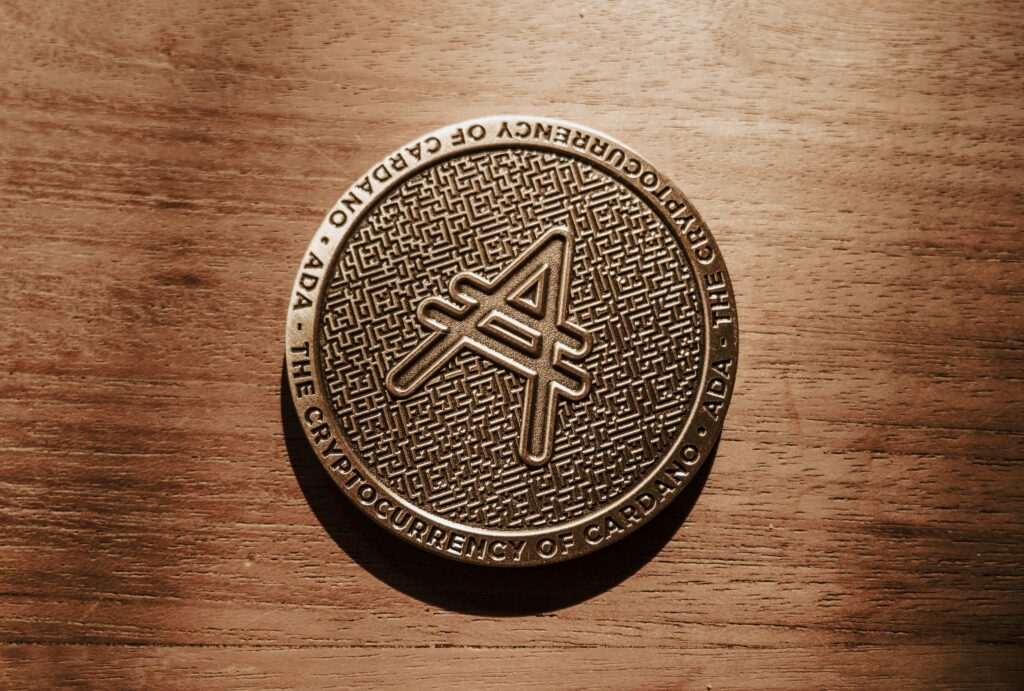
Selective Rotation Defines Current Market Behaviour
Capital Concentrates in High-Conviction Assets
Investor rotation within the altcoin space has become increasingly targeted. Capital flows indicate a preference for assets with strong liquidity profiles, clear use cases, and sustained network activity.
Rather than rotating aggressively into smaller-cap tokens, many traders are reallocating selectively within established sectors such as decentralised finance, infrastructure, and layer-two scaling solutions.
Reduced Appetite for High-Risk Speculation
The absence of euphoric sentiment has limited demand for highly speculative altcoins. Tokens lacking clear catalysts or active development have underperformed, reinforcing the market’s disciplined tone.
Ethereum Ecosystem Continues to Influence Altcoin Trends
Layer-Two Tokens Attract Measured Interest
Ethereum-linked layer-two projects have drawn moderate inflows as investors seek exposure to scalability narratives without taking excessive risk. These assets have benefited from Ethereum’s relative stability and continued institutional interest.
DeFi Tokens Reflect Cautious Optimism
Decentralised finance tokens have shown uneven performance. While core protocols with consistent revenue streams have remained resilient, more experimental projects have struggled to attract sustained interest.
Market Consolidation Shapes Altcoin Volatility
Volatility Remains Asset-Specific
Altcoin volatility has remained elevated on an individual basis but subdued at the sector level. Price movements are increasingly driven by asset-specific news rather than broad market sentiment.
This environment favours active traders capable of identifying relative strength rather than passive exposure across the entire altcoin market.
Liquidity Conditions Influence Performance
Liquidity disparities have widened across the altcoin universe. Tokens with deeper order books have absorbed market fluctuations more effectively, while thinner markets have experienced sharper swings.
Macro and Regulatory Factors Limit Aggressive Positioning
Broader macroeconomic uncertainty continues to weigh on risk appetite, limiting aggressive positioning in altcoins. While the absence of negative shocks has supported stability, investors remain sensitive to changes in global liquidity conditions.
Regulatory considerations also play a role, particularly for projects operating in areas subject to evolving oversight. This has encouraged a more conservative allocation approach.
Retail Participation Remains Disciplined
Retail traders remain active but more measured than during previous altcoin cycles. Social sentiment indicators show engagement without widespread enthusiasm, aligning with the broader theme of selective participation.
This disciplined retail behaviour has reduced the likelihood of sharp, sentiment-driven rallies across the altcoin market.
Historical Context: Mixed Altcoin Phases
Historically, periods of mixed altcoin performance have often occurred during transitional phases in the broader crypto cycle. These phases typically precede clearer directional trends once liquidity conditions and sentiment align.
Selective rotation during consolidation has frequently laid the groundwork for future leadership within the altcoin space.
Technical Landscape Highlights Key Divergences
Range-Bound Trading Dominates
Many altcoins continue to trade within defined ranges, reflecting indecision rather than trend exhaustion. Breakouts from these ranges may offer early signals of renewed momentum.
Relative Strength Guides Allocation
Relative strength analysis has become a key tool for traders navigating the altcoin market. Assets outperforming Bitcoin and Ethereum on a relative basis are attracting disproportionate attention.
Risks Facing the Altcoin Market
Despite selective strength, risks remain elevated. Sudden shifts in macro sentiment, regulatory announcements, or liquidity shocks could disproportionately impact smaller-cap tokens.
As a result, investors remain vigilant and conservative in position sizing.
Outlook for Altcoins
The mixed performance across altcoins underscores a market that is consolidating rather than expanding. Capital rotation remains selective, favouring assets with demonstrated resilience and clear narratives.
A broader altcoin rally is likely to depend on improved liquidity conditions and renewed confidence across the crypto market as a whole.
Wisuno.com Adaptation (Subtle Brand Alignment)
Periods of selective rotation often place greater emphasis on execution quality and risk management, particularly when navigating fragmented liquidity across diverse crypto assets.


